


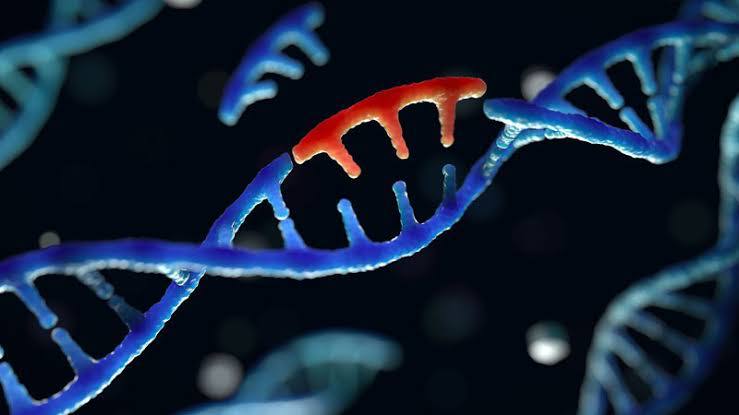
Genetic mutations increase susceptibility to common diseases such as diabetes, cardiovascular disorders, and cancer.
Scientists explain this situation by the high rate of consanguineous marriages in certain regions of the country.
For the first time in the country’s history, Uzbek scientists have conducted an in-depth study of the human genome — and the results are alarming.
The most significant finding is that every second child examined carries a hereditary mutation, proving that many diseases are inherited genetically. Even more concerning, 86% of children were found to have at least one “defective” gene, which is twice as high as the international norm. Researchers link this to the high proportion of marriages between relatives in some regions — in certain provinces, such marriages account for nearly a quarter of all unions.
Experts warn that this situation could weaken not only the genetic health but also the overall well-being of future generations. Genetic mutations, they say, may increase the risk not only of rare hereditary disorders but also of widespread diseases such as diabetes, heart disease, and cancer. These illnesses are becoming more common and are appearing at younger ages.
Therefore, specialists emphasize the importance of genetic testing before marriage and the inclusion of children in early screening and prevention programs. This would allow diseases to be detected at early stages and treated more effectively.
The study revealed numerous important findings: more than half of the patients tested received a confirmed genetic diagnosis, enabling doctors to choose individualized treatment strategies.
Nearly one-third of the identified mutations have never been recorded in global scientific databases and have now been added to international genetic repositories. Some children were found to have multiple genetic disorders simultaneously, further confirming the high rate of consanguineous marriages in the country.
“For the first time, we have seen the true genetic landscape of our population. If most children carry hidden genetic mutations, it will be impossible to stop this process without prevention and genetic counseling. That is why introducing pre-marital genetic screening programs is crucial,”
— said Professor Shahlo Turdiqulova, Director of the Center for Advanced Technologies and head of the project “Uzbekistan’s 1000 Genomes.”
The project “Uzbekistan’s 1000 Genomes” aims to create a genetic map of the population and establish a national biobank. These data will form the foundation for the development of personalized medicine, the creation of new drugs, and the implementation of accurate screening programs in the future.